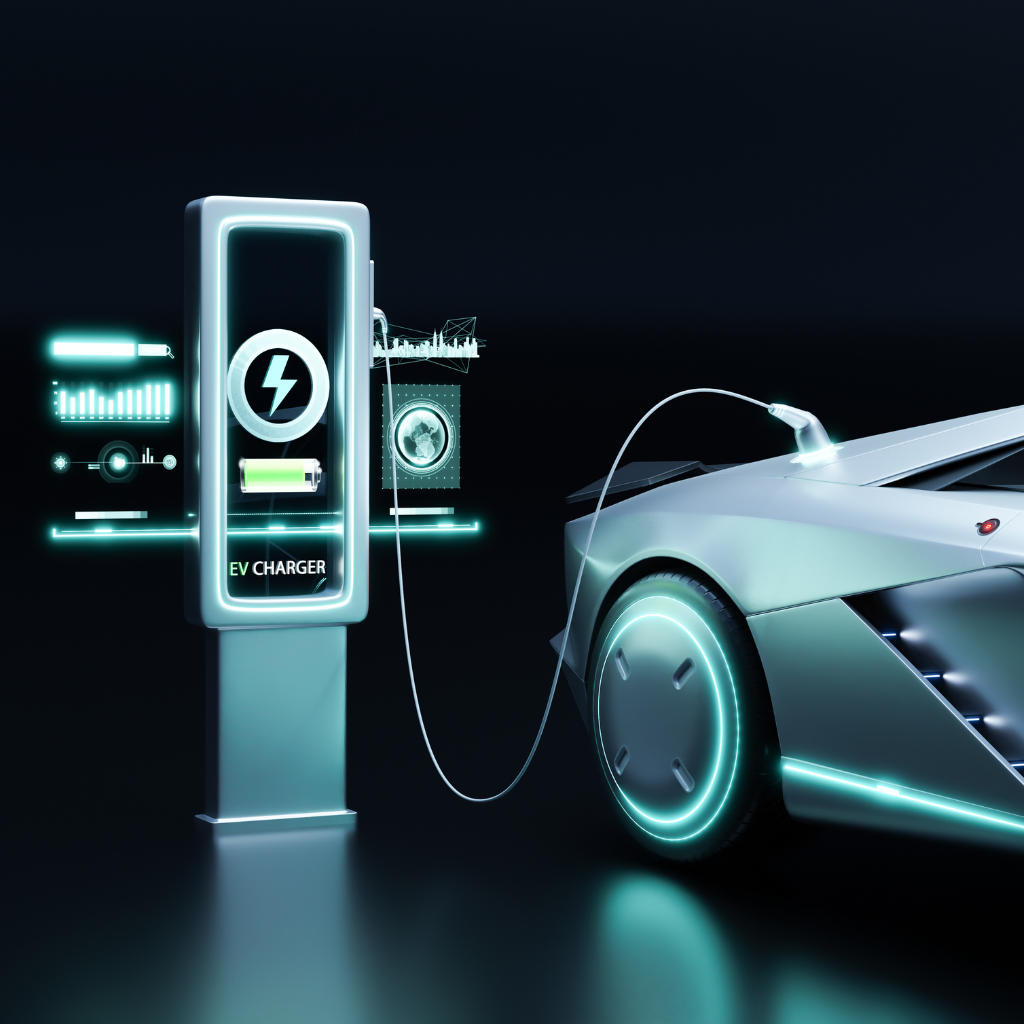
DC gyorstöltő infrastruktúra – jövőbiztos megoldás
Az elektromosautó-töltő infrastruktúra kiépítése nemcsak kényelmes szolgáltatást nyújt ügyfelei és munkatársai számára, hanem hosszú távon értéket teremt és növeli ingatlana, telephelye versenyképességét.
DC gyorstöltő oszlop telepítési szolgáltatásunkkal a tervezéstől az üzembe helyezésig teljes körű, megbízható támogatást biztosítunk.
Mit tartalmaz a szolgáltatás?
Helyszíni felmérés és tervezés
Szakembereink felmérik a helyi adottságokat, az elektromos hálózat kapacitását és a telepítés műszaki feltételeit. Ezt követően megtervezzük az optimális töltőállomás-kialakítást.
Berendezés kiválasztása
Segítünk a megfelelő teljesítményű (25–300 kW) DC gyorstöltő kiválasztásában, az Ön igényeihez és forgalmi terheléséhez igazítva.
Engedélyeztetés és ügyintézés
Gondoskodunk minden szükséges dokumentációról, hálózati csatlakozási engedélyről és adminisztratív folyamatról.
Kivitelezés és telepítés
A töltőoszlopok szakszerű telepítését, alapozását, kábelezését és hálózatra kötését teljes körűen elvégezzük. A telepítés minden szabványos és érintésvédelmi előírásnak megfelel.
Üzembe helyezés és tesztelés
A rendszer beállítása, tesztelése és a távoli felügyelet konfigurálása után a töltő azonnal készen áll a használatra.
Karbantartás és támogatás
Igény esetén folyamatos karbantartást, rendszerfelügyeletet és gyors hibaelhárítást biztosítunk.
Saját OCPP 1.6 Backend Rendszer
– Teljes Ellenőrzés és Intelligens Üzemeltetés
A telepített töltőoszlopok stabil és megbízható működését saját fejlesztésű, OCPP 1.6 kompatibilis backend rendszerünk biztosítja. Ez a nemzetközi szabványra épülő kommunikációs platform lehetővé teszi a töltők valós idejű felügyeletét, vezérlését és üzleti szintű működtetését.
OCPP 1.6 backend megoldásunk
Backend fejlesztőkként specializálódtunk OCPP 1.6 protokoll alapú elektromos autó töltők kezelésére, amely nyílt szabványként biztosítja a töltők és központi rendszerek közötti zökkenőmentes kommunikációt.
Mi az OCPP 1.6?
Az OCPP 1.6 (Open Charge Point Protocol) egy 2015-ben bevezetett globális szabvány, amely JSON (1.6J) vagy SOAP (1.6S) formátumban lehetővé teszi a töltőpontok (Charge Points) és a központi kezelőszerver (Central System) közötti adatcserét. Kulcsfunkciói közé tartozik a töltési munkamenetek indítása/leállítása, energiafogyasztás mérése, RFID autentikáció, hibaüzenetek jelentése és firmware frissítések távolról. Ez a protokoll vendor-független, így bármely OCPP 1.6-kompatibilis töltővel (pl. Wallbox, EVLink) működik, csökkentve a gyártói lock-in kockázatát.
Mit tud a backend rendszer?
- Valós idejű monitorozás
- Töltési állapotok, teljesítményadatok és események követése.
- Azonnali riasztások hibák vagy rendellenességek esetén.
- Távoli vezérlés
- Töltések indítása és leállítása.
- Firmware frissítések és beállítások módosítása akár távolról is.
- Kártyakezelés és jogosultságok adminisztrációja.
- OCPP 1.6 kompatibilitás
- Széles körben elterjedt iparági protokoll, amely biztosítja a különböző gyártók DC és AC töltőinek zökkenőmentes csatlakoztatását.
- Képes kezelni a kötetlen kommunikációt, tranzakciókat, diagnosztikát és paraméterezést.
- Részletes riportok és statisztikák
- Kihasználtság, energiafogyasztás, bevételi adatok.
- Egyedi és időszakos kimutatások vállalati igényekhez igazítva.
- Biztonságos üzemeltetés
- Titkosított kommunikáció és adminisztrátori jogosultsági szintek.
- Stabil szerveroldali infrastruktúra magas rendelkezésre állással.

Miért érdemes DC gyorstöltőt telepíteni?
Gyors töltés
Akár 15–30 perc alatt jelentős kapacitás feltöltése

Nagy forgalmú helyszínekre ideális
Benzinkutak, bevásárlóközpontok, céges parkolók, szállodák.

Jövőbiztos beruházás
Az elektromobilitás fejlődése miatt egyre nagyobb az igény a nagy teljesítményű töltőkre.

Bevételi lehetőség
Töltési díjak, ügyfélvonzó szolgáltatás.
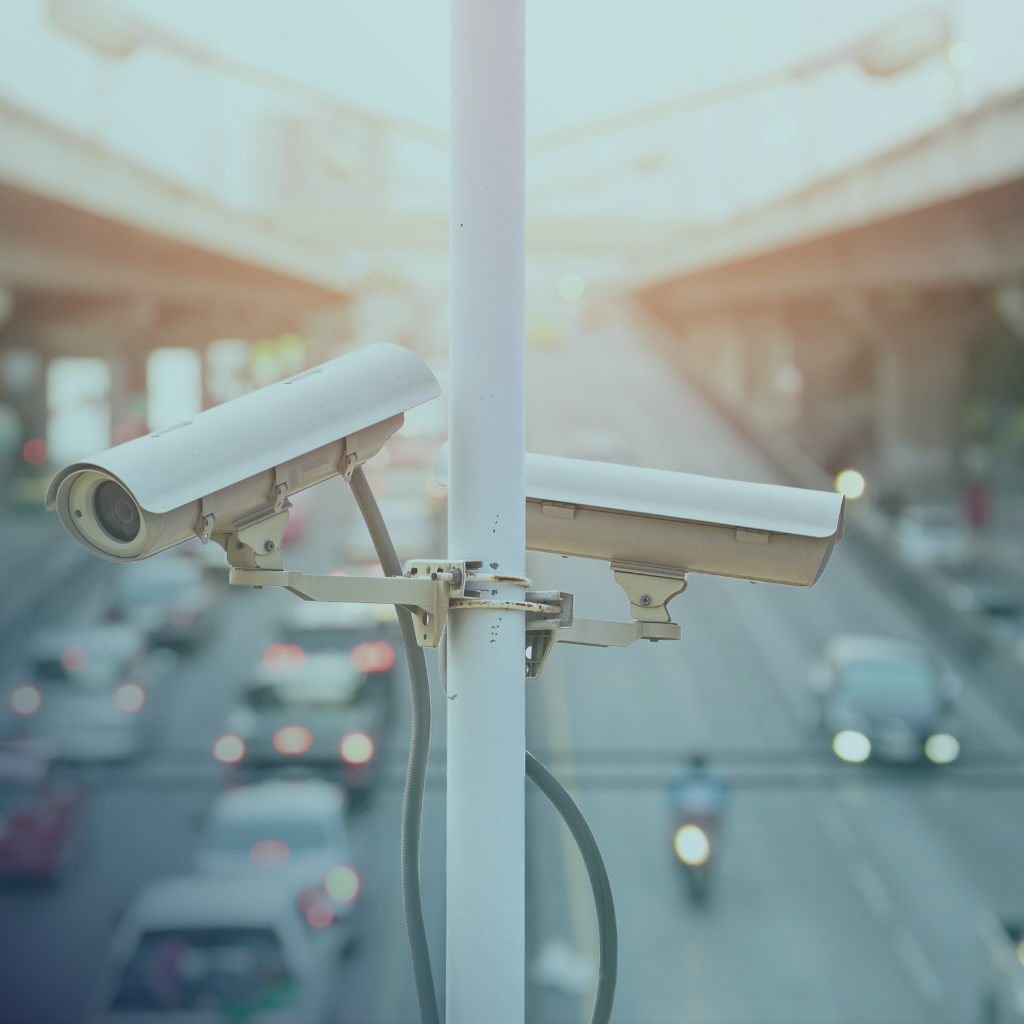
Önkormányzati Térfigyelő Rendszerek Telepítése és Üzemeltetése – Biztonság, Megbízhatóság, Átlátható Működés
A modern térfigyelőrendszerek kulcsszerepet játszanak a közterületek biztonságának növelésében, a vagyonvédelemben és a gyors reagálás támogatásában. Teljes körű megoldásainkkal a tervezéstől a telepítésen át a hosszú távú üzemeltetésig mindenben támogatjuk az önkormányzatokat.
Miért érdemes professzionális térfigyelőrendszert telepíteni?
- Növeli a közterületek biztonságát
- Segíti a jogsértések megelőzését és felderítését
- Csökkenti a vandalizmust és a rongálásokat
- Biztonságosabb települési környezetet teremt
- Bővíthető és hosszú távon fenntartható beruházás
Mit tartalmaz a szolgáltatás?
Helyszíni felmérés és tervezés
A telepítési pontok kijelölése a látószögek, megvilágítási körülmények és biztonsági prioritások alapján. Hálózati, adatvédelmi és integrációs igények előzetes vizsgálata.
Rendszertervezés és technológiai kiválasztás
HD / 4K IP kamerák, ANPR rendszámfelismerés, PTZ kamerák és intelligens videóanalitika integrálása. Rugalmas, bővíthető architektúra kialakítása a jövőbeni igényekhez igazítva
Engedélyeztetés és dokumentáció
Adatvédelmi előírásoknak megfelelő tájékoztatók, adatkezelési dokumentumok elkészítése. Szükség esetén hatósági egyeztetések és szakmai támogatás.
Kivitelezés és telepítés
Kamerák, oszlopok, kábelezés és hálózati aktív eszközök szakszerű telepítése. Optikai vagy IP alapú adatátviteli hálózat kialakítása. Stabil rögzítő- és szerverrendszer telepítése.
Üzembe helyezés és rendszerintegráció
Központi felügyeleti szoftver konfigurálása. Polgárőrség, rendőrség vagy önkormányzati diszpécserközpont integrációja. Tesztelés, átadás, oktatás az üzemeltető személyzet számára.
Folyamatos üzemeltetés és karbantartás
Távoli rendszerfelügyelet és valós idejű hibamonitoring Rendszeres karbantartás, lencse- és optikai tisztítás, firmware frissítés Gyors helyszíni hibaelhárítás Elegáns, SLA alapú szolgáltatási csomagok önkormányzati igényekre optimalizálva
Kérj ajánlatot!
Gyakori kérdések
Hogyan működik a rendszerünk?
Rendszerünk RESTful API-kat és WebSocket-et használ az OCPP 1.6 üzenetek (pl. BootNotification, StartTransaction, StatusNotification) kezelésére. A backend Node.js/Python alapú, adatbázissal (PostgreSQL/MongoDB) tárolja a tranzakciókat, dashboardot kínál adminisztrátoroknak. Példa folyamat: Töltő csatlakozik → autentikáció → RFID olvasás → töltés indítás → fogyasztás metering → lezárás és számla generálás.
Funkció | Leírás | Ügyfél-előny |
Tranzakció Kezelés | Töltés indítás/leállítás, metering | Pontos számlázás, átláthatóság |
Hiba Monitorozás | Valós idejű riasztások | Gyors javítás, minimális downtime |
Felhasználó Menedzsment | RFID/app autentikáció | Biztonságos hozzáférés |
Riportok | Energia statisztikák, költségek | Üzleti döntéshozatal |
Értékesítési argumentumok bemutatóra
Célközönség: Töltőhálózat üzemeltetők, kereskedők, ingatlanfejlesztők Magyarországon, ahol az EV piac robbanásszerűen nő.
Pitch Pontok:
- Költségmegtakarítás: Nyitott protokoll = nincs drága vendor lock-in, 30-50% alacsonyabb üzemeltetési költség.
- Gyors Megtérülés: SaaS modell (havi díj) vagy one-time licenc, ingyenes próba.
- Magyar Fókusz: EU-kompatibilis, helyi szabályoknak megfelelő (pl. Schneider EVLink támogatás).
- Demo Szekvencia: Élő WebSocket kapcsolat mutatása töltővel → tranzakció szimuláció → dashboard demo → ROI kalkuláció.
- Referenciák: Kompatibilis 100+ töltőtípussal globálisan, skálázható 1-1000 töltőre.
Ezzel a megoldással partnereik piacvezetőkké válhatnak az EV töltési szektorban – kínáljunk ingyenes PoC-t (Proof of Concept) a bemutató után!
Főbb előnyök leendő ügyfeleik számára
- Interoperabilitás: Különböző márkájú töltők egyetlen hálózaton kezelhetők, bővíthetők anélkül, hogy lecserélnék a hardvert.
- Intelligens Töltés: Támogatja a terheléselosztást (load balancing), dinamikus árazást és távdiagnosztikát, optimalizálva az energiafogyasztást és csökkentve a költségeket.
- Valós Idejű Monitorozás: Energiahasználat, töltési állapot, hibák valós időben láthatóak, gyors hibaelhárítással.
- Skálázhatóság: Cloud vagy helyi szerveren futtatható, RFID kártyakezeléssel, számlázással és riportokkal.
- Jövőbiztos: Könnyen frissíthető OCPP 2.0/2.1-re, minimális átállási költséggel.
A weboldal a Demján Sándor Program keretében és támogatásával valósult meg.